Welcome, communication, culture and local experiences
During the three years of recovery in the tourism sector, from 2021 to 2024, we consistently managed the project for Monopoli’s Tourist Info Points, communication activities, and sites of cultural interest. It was a multifaceted assignment, approached through a unified vision: connecting hospitality, digital tools, cultural heritage, and local experiences.
Tourism, after all, does not begin when a visitor arrives at their destination, nor does it end when they leave. It often starts much earlier, during an online search or through content seen on social media, and continues through the stories, photographs, and impressions shared after the journey.
With this in mind, throughout the three-year period we worked to ensure that every touchpoint contributed to building a coherent, distinctive, and engaging image of Monopoli.
A shared vision for telling the story of the city
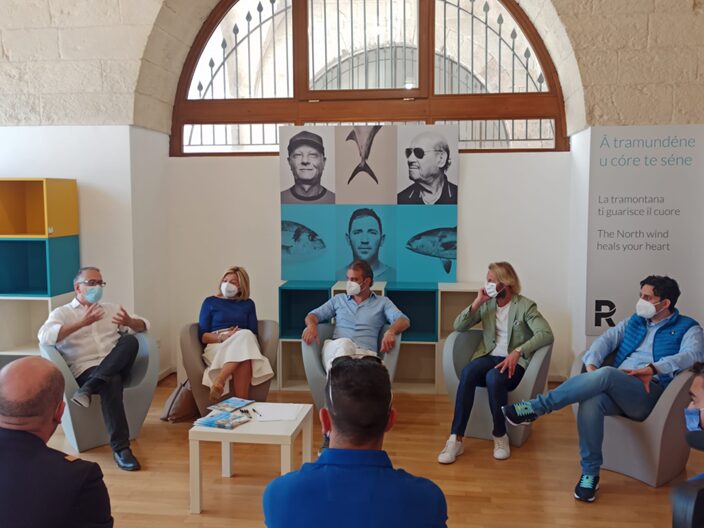
At the heart of the project, we developed an integrated promotion strategy capable of bringing together the tourism portal, social media, multimedia productions, Tourist Info Points, guided tours, and events.
Our goal was to move beyond a communication approach made up of isolated initiatives and instead build a system in which each activity could strengthen the others. Digital content encouraged people to discover the area; the portal provided useful information and tools; the Tourist Info Points turned interest into tangible experiences; and tourists and residents, through their own stories, helped further share and promote the city’s identity.
We presented Monopoli not only as a seaside destination, but as a place rich in history, culture, traditions, rural landscapes, countryside districts, and experiences to enjoy throughout the year.
Tourist Info Points as gateways to the local area
A central part of the project focused on the management of the Tourist Info Points, conceived not simply as places where information materials were distributed, but as genuine hubs for welcoming and guiding visitors.
Daily activities were based on listening to visitors’ needs and providing reliable information, itineraries, recommendations, and tailored solutions. Particular attention was given to the quality of interaction with the public, staff training, and the collection of useful data to better understand visitors’ origins, interests, and needs.
The Tourist Info Points thus became the tangible link between online communication and the city itself: the place where an idea for a trip could turn into a visit, a cultural itinerary, or a local experience.
Communication designed to last

Over the three years of management, we followed a continuous editorial approach, structured around tourism seasonality and the needs of different audiences.
Social media and the web were treated as strategic tools rather than simple showcases. Photographs, videos, stories, in-depth content on cultural heritage, and event-related materials all contributed to creating a dynamic, multi-channel narrative of the city.
The tourism portal was also integrated into this ecosystem as a key reference point for those looking for information, experiences, visits, and opportunities. Digital communication guided users from the initial inspiration stage through to the practical planning of their stay, maintaining a constant connection with the activities taking place across the local area.
Giving a voice to cultural heritage

The project placed strong emphasis on enhancing Monopoli’s cultural sites through storytelling tailored to the distinctive features of each place.
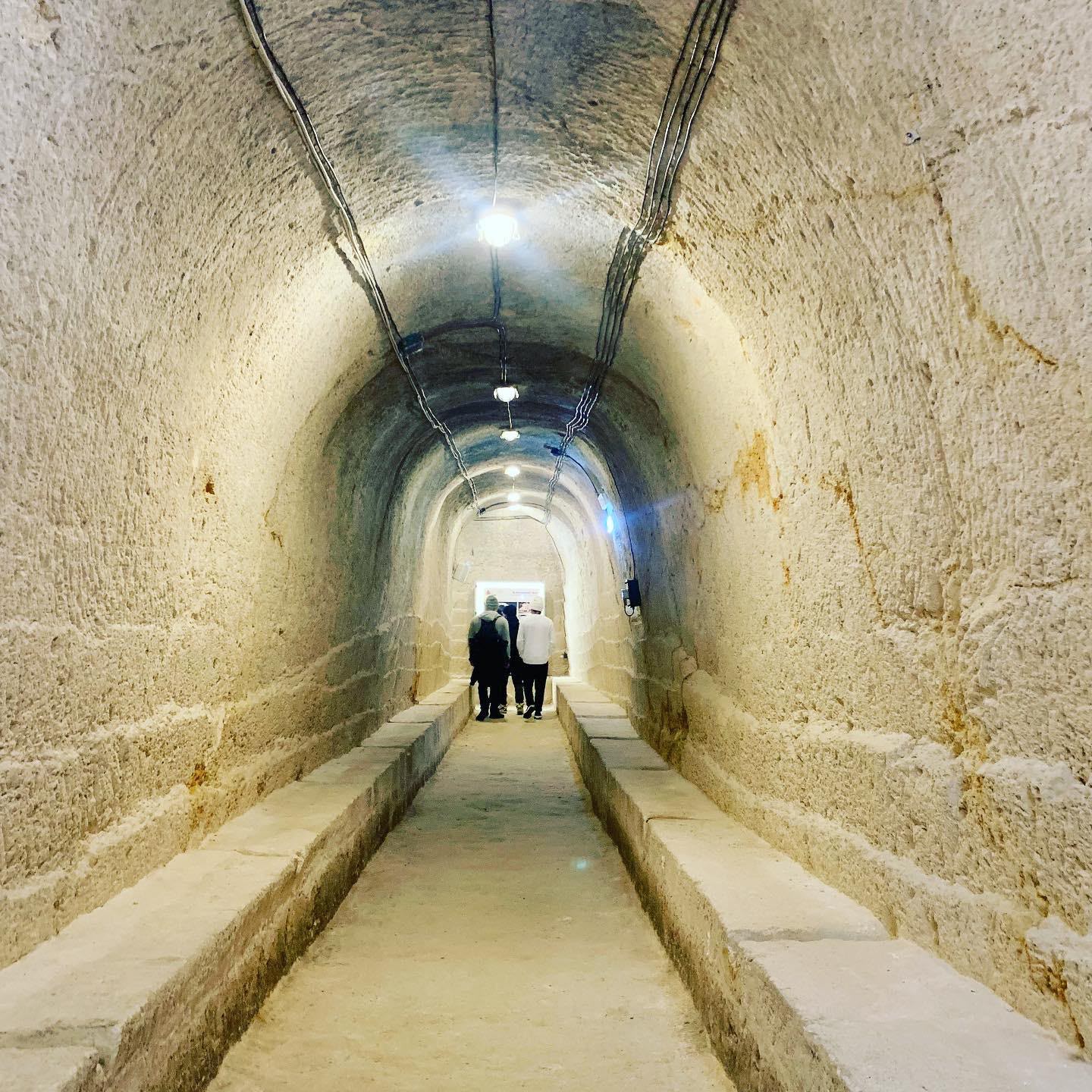
The air-raid shelters in Piazza Vittorio Emanuele, the rock-hewn churches, the archaeological excavations at the “Prospero Rendella” Civic Library, and other sites of interest were brought together in a narrative that combined history, spirituality, memory, landscape, and local identity.

Guided tours, themed itineraries, excursions, and cultural initiatives offered different ways to experience the city, addressing both tourists and local residents. Attention to accessibility, families, pet-friendly visitors, and sustainable mobility further strengthened an approach focused on open and responsible tourism.
During the Covid emergency, we also managed the Tourist Info Point at the railway station, adapting the service to restrictions and the changing needs of travellers. At a time marked by uncertainty and constant change, we provided tourists and residents with a reliable point of reference for information, assistance, and orientation, reaffirming the value of our presence throughout the entire three-year management period.
European Heritage Days and Underground Monopoli
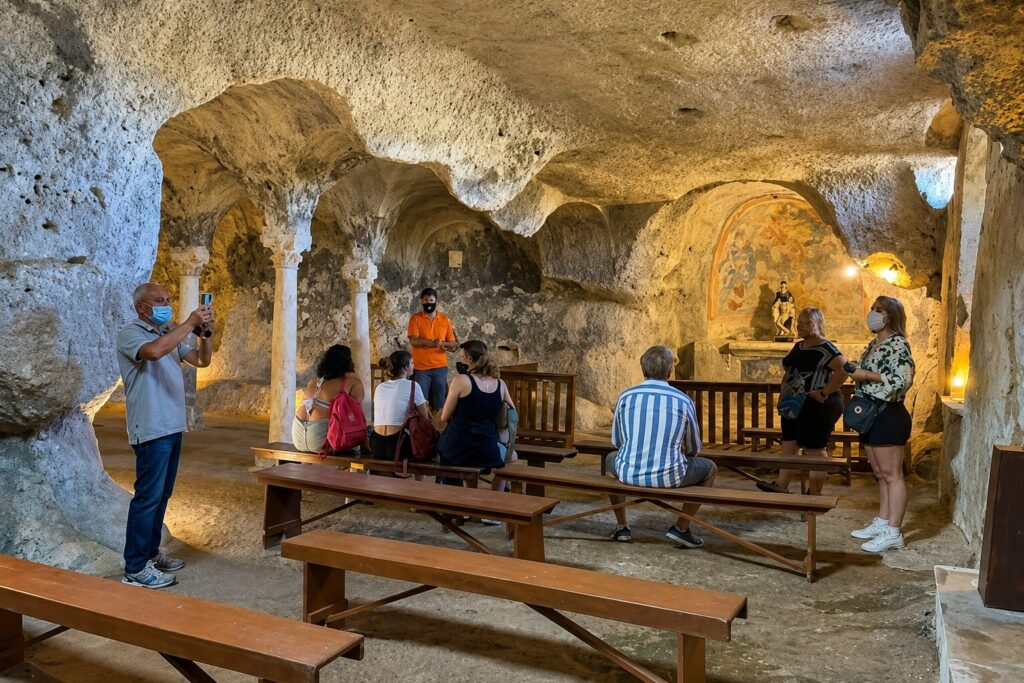
In collaboration with the Department of Culture and Tourism, on the occasion of the European Heritage Days, we guided residents and visitors on a journey to discover Underground Monopoli.
The programme included a series of guided tours, departing every half hour with mandatory booking, through six sites of particular historical significance: the air-raid shelters, the crypt of the “Prospero Rendella” Library, the crypt of the Church of Santa Maria Amalfitana, San Nicola in Pinna at Carlo V Castle, the Cathedral crypt, and the rock-hewn Church of Madonna del Soccorso.
The itinerary offered a journey through centuries of history, from evidence dating between the 9th and 12th centuries to the shelters built during the Second World War. The initiative made it possible to open up and interpret a lesser-known heritage that is nevertheless essential to understanding the city’s many historical and cultural layers.
“Monopoli between sea and sky”: new services for experiencing the city
The “Monopoli between sea and sky” project further expanded the range of services on offer through on-site activities and tourist entertainment organised across six free events. The initiative was developed in collaboration with Velo Service, Assopescatori, Coldiretti, and CTG, with the involvement of Monopoli’s economic and social partners.
The project portrayed a city of many different faces: its crystal-clear waters and fishing traditions, the richness of the countryside, the Baroque details of its monuments, and the warm welcome offered by the residents of the medieval historic centre.
The itinerary began in Piazza Garibaldi, with exclusive access to the rock-hewn crypt of Palazzo “Prospero Rendella”, before continuing to the Old Port, where a local fisherman introduced participants to different fishing methods, stories connected to the sea, and traditional boats known as “vozz”, the typical local gozzi.
The route then continued through the narrow streets of the historic centre, along the city walls and past Carlo V Castle, before ending at the Cathedral. The experience brought together heritage, maritime culture, and community storytelling, turning the visit into an authentic encounter with the identity of Monopoli.
Rural Monopoli by bike
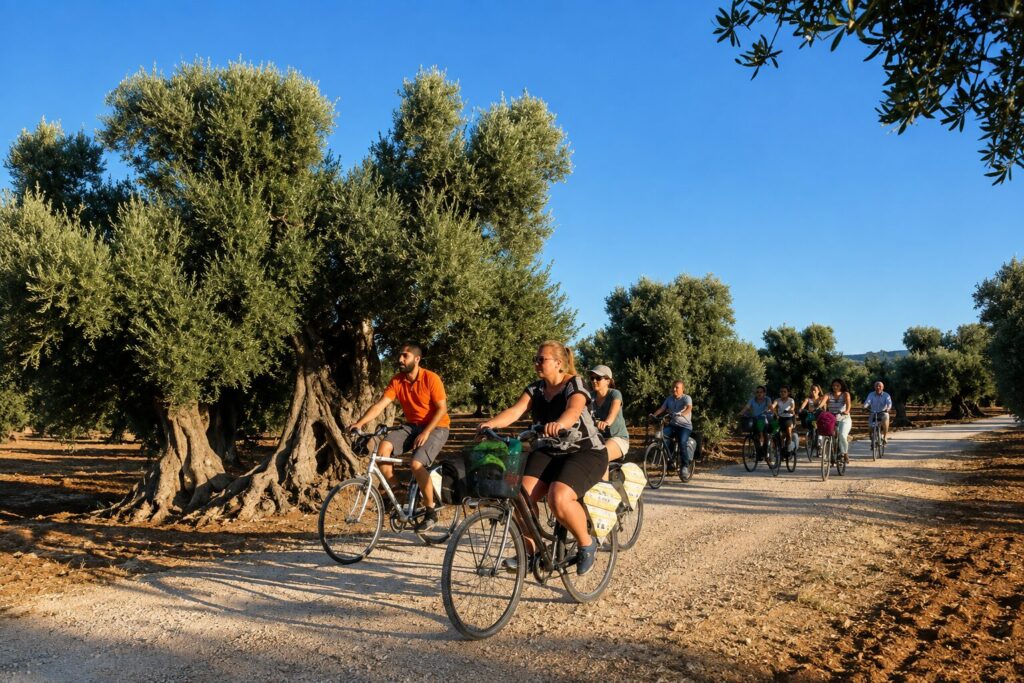
Among the experiences developed during the three-year period, a special role was given to bike tours through rural Monopoli: slow-tourism itineraries designed to take visitors beyond the urban centre and into the authentic landscape of the surrounding countryside.
The approximately 20-kilometre route started in the historic centre, from the Co-Cathedral Basilica, and continued along ancient rural paths bordered by dry-stone walls, through centuries-old olive and carob trees, fortified masserie, and underground olive presses.
One of the most evocative stops was the rock-hewn Church of the Holy Spirit, a site of Romanesque origin used since the 9th century and home to important medieval remains. Lasting around three hours and suitable for all levels thanks to its low level of difficulty, the tour ended away from urban traffic with a tasting of traditional Apulian products.
Led by an Italian- and English-speaking guide and including a city bike, helmet, safety kit, entrance fees, and tasting, the experience offered a sustainable and accessible way to discover Monopoli’s history and rural culture, deeply rooted in the local area.
Three years of presence, listening and continuity

Managing this project for three years meant supporting Monopoli through changing tourist seasons, cultural events, and constantly evolving needs. It required a daily presence, strong organisational skills, and continuous dialogue with the local administration, operators, associations, and the wider community.
Above all, it confirmed the value of an integrated approach: hospitality, communication, and cultural enhancement reach their full potential when they are part of a single, coordinated vision.
For us, the three-year management period in Monopoli represented exactly this: an ongoing commitment to turning information, places, and content into a coherent experience, capable of helping people discover the city and leaving visitors with the desire to carry a part of it with them.